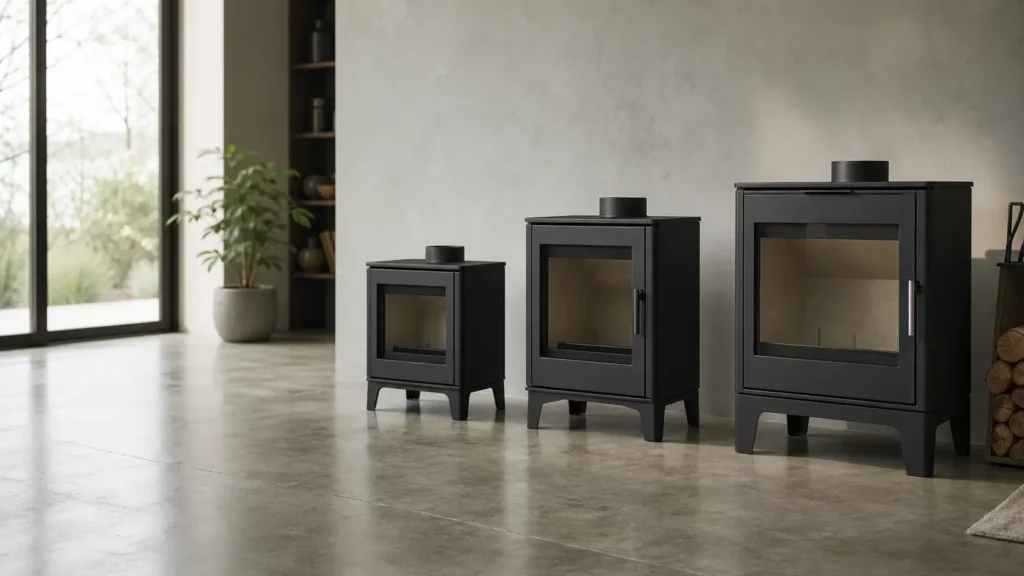
Start with the buyer’s guide, then use the focused guides to narrow down your choice.
Start here: Wood Stove Buyer’s Guide 2026
- What Size Wood Stove Do I Need?
- Catalytic vs Non-Catalytic vs Hybrid Wood Stoves
- Wood Stove Tax Credit in 2026
- Wood Stove Inserts for a Masonry Fireplace
How to use this section
Choosing a stove comes down to four questions, in this order:
- How much heat do you need? Start with the stove sizing calculator for a rough Btu/h range, then read what size wood stove do I need to match it with a stove’s tested output range and EPA loading volume, not its heating-area claim.
- Which combustion type fits how you burn? Non-catalytic stoves are simpler and make up about 80% of the market; catalytic stoves suit long, low burns but need catalyst care; hybrids combine both (EPA). The catalytic vs non-catalytic guide explains the trade-offs, and the six-question quiz gives you a starting point.
- Freestanding stove or fireplace insert? If you have a sound masonry fireplace, an insert with a listed liner may suit you; otherwise a freestanding stove gives more placement options.
- What will it really cost? The stove is only part of it. Chimney, connector pipe, hearth pad, permit and installation often add as much again. The federal biomass stove credit ended for stoves installed after December 31, 2025; see wood stove tax credit in 2026 for what to check instead.
Specs worth comparing
| Spec | Why it matters |
|---|---|
| Overall heat output range (Btu/h) | Measured in certification testing; the best match to your heat need |
| EPA loading volume (ft³) | How much wood per load; drives burn time |
| Efficiency (HHV) | Compare HHV with HHV; LHV figures look higher |
| Clearances | Decide whether the stove fits your room |
| Flue size and minimum chimney height | Decide what venting you need |
| Mobile-home or alcove approval | Required for those installations |
What we don’t do
We don’t test stoves. Every figure comes from manufacturer spec sheets and manuals or from the EPA, ENERGY STAR, NFPA-based state standards and university extension services, cited on each page. Specs change and models get discontinued, so check the maker’s current page and the certification label on the stove you buy.
Check the certification first
Since May 15, 2020, new wood stoves sold in the U.S. must meet EPA’s Step 2 particulate limit of 2.0 grams per hour when tested with standardized crib wood, or 2.5 g/h under the optional cordwood test method (EPA). Before you buy, look the model up in EPA’s Certified Wood Heater Database. It lists the certified emissions rate and efficiency, and a stove that isn’t on it can’t legally be sold new. Buying used? An older stove may predate Step 2, and some states and air districts restrict installing uncertified stoves, so ask your building department first.
Questions to ask the dealer
- Is this model current, and are parts (gaskets, baffle, catalyst, glass) stocked?
- What does the warranty cover, and does it require professional installation?
- Which chimney system and connector pipe does the manual specify for this stove?
- What is the minimum chimney height, and does my house meet it?
- Does the stove have the approval my installation needs (mobile home, alcove, insert)?
Write the answers down next to the model number, and check them against the manual before you pay. If a dealer quotes a heating area, ask for the tested output range instead.
Old stock and older certifications
EPA’s Step 1 limit was 4.5 g/h. Retailers could sell stoves certified only to Step 1 until May 15, 2020, but not after (EPA fact sheet). Older manuals and spec sheets online may still show Step 1 figures. For example, a 2018 Enerzone Solution 1.8 manual lists 4.3 g/h. Confirm the current certification in EPA’s database rather than the PDF.
General information. For installation, follow your stove’s listed manual, NFPA 211 and your local code official, and consider an NFI-certified installer.
All choosing a stove guides
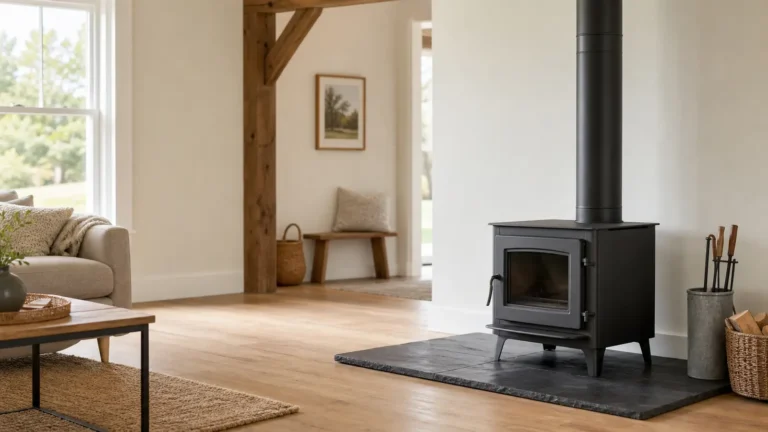 Choosing a StoveWood Stove Buyer's Guide 2026How to choose a wood stove in 2026: sizing by firebox and heat output, catalytic vs non-catalytic, reading spec sheets, installation, and…
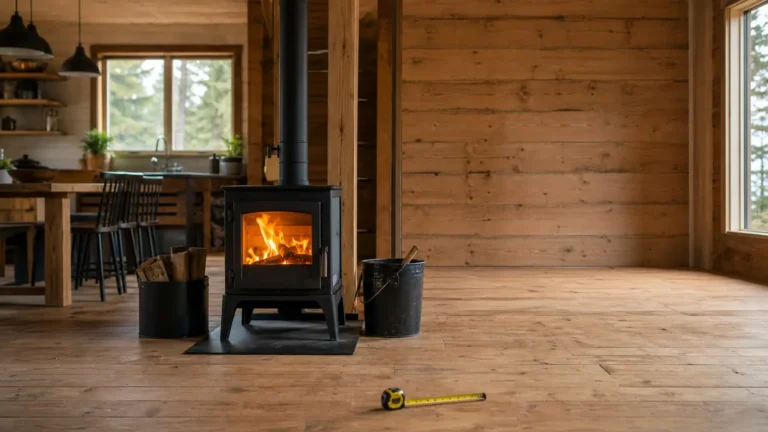 Choosing a StoveWhat Size Wood Stove Do I Need?How to size a wood stove using firebox volume, heat output and burn time, and why the manufacturer's square-footage range is only…
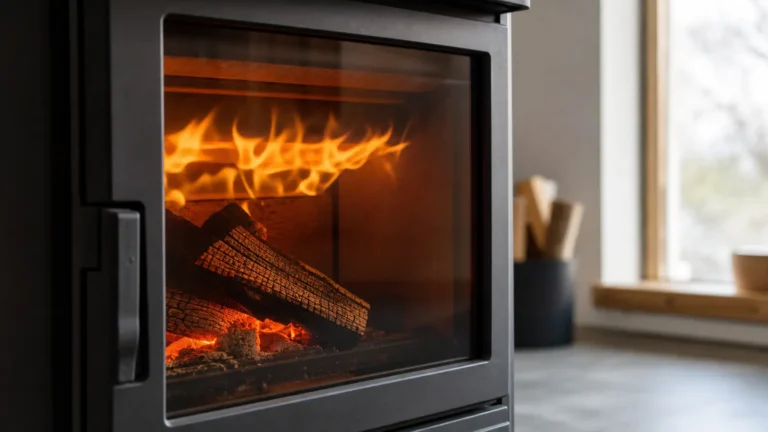 Choosing a StoveCatalytic vs Non-Catalytic vs Hybrid Wood StovesHow catalytic, non-catalytic and hybrid wood stoves work, typical efficiency, maintenance, and which suits the way you burn, sourced to EPA.
 Choosing a StoveWood Stove Tax Credit in 2026The federal 30% biomass stove credit covered stoves installed from 2023 through 2025. What that means in 2026 and where to look…
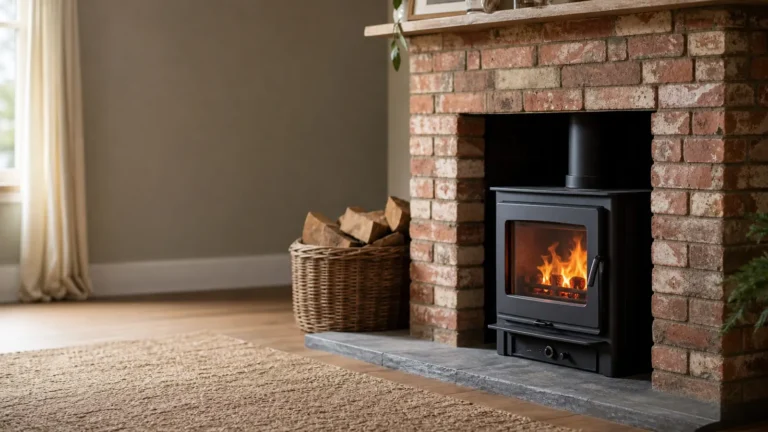 Choosing a StoveWood Stove Inserts for a Masonry FireplaceHow to size a wood stove insert to a masonry fireplace: measuring the opening, reading insert specs, liner requirements and installation checks.