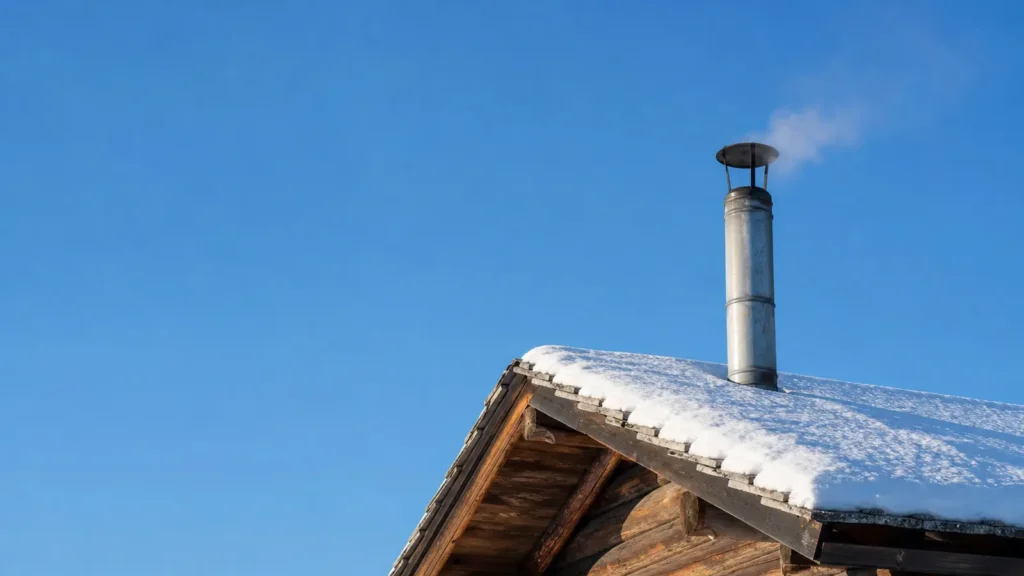
Installation is a safety and code matter. These guides help you read the manual and talk to your installer.
- Wood Stove Clearances to Combustibles
- Stovepipe and Chimney Basics
- Wood Stove Hearth Pad Requirements
The three things an installation has to get right
- Clearances. The minimum air space between the stove, its pipe and anything combustible. A listed stove’s label and manual set them; for unlisted stoves, NFPA 211-based standards use 36 inches to unprotected combustible walls and 18 inches for single-wall connector pipe. Read wood stove clearances and compare your measurements with the clearance checker (guidance only).
- Floor protection. A hearth pad protects the floor from heat and embers. The manual says how far it must extend and whether it needs a thermal rating; see hearth pad requirements.
- Venting. Connector pipe inside the room, a listed chimney (or a lined masonry chimney) outside it, sized and tall enough for the stove. See stovepipe and chimney basics.
Before installation day
- Read the whole installation section of the manual, including diagrams, before buying parts.
- Ask your building department whether a permit is required, and book the inspection.
- Tell your home insurer; some ask for proof of a permit or professional installation.
- Consider an NFI-certified installer, especially for chimney work.
- Fit smoke and carbon monoxide alarms.
After installation
NFPA 211 calls for chimneys and vents to be inspected at least once a year and cleaned as needed. Burn only dry wood, under 20% moisture per the EPA, to slow creosote buildup; see how to season firewood. Keep furniture, firewood and rugs outside the clearance zone.
What this section isn’t
These guides help you read your manual and talk to an installer. They don’t replace NFPA 211, your stove’s listing, your local code official or a certified installer, and we can’t approve individual installations.
Chimney height: the 3-2-10 rule
NFPA 211 requires a chimney to extend at least 3 feet above the highest point where it passes through the roof, and at least 2 feet higher than any part of the building within 10 feet horizontally. That is a code minimum for safety. Your stove’s manual may also set a minimum total height for draft, often measured from the stove’s flue collar, so check both. A chimney that is too short, or one surrounded by taller trees or rooflines, can draft poorly and push smoke into the room (NFPA 211).
Ash and carbon monoxide
- Put ashes in a metal container with a tight-fitting lid, and keep it outside, away from the house and anything that can burn. Coals can stay hot for days (NFPA heating safety).
- Fit carbon monoxide alarms outside sleeping areas and on every level, and test them monthly.
- Keep anything that can burn at least 3 feet from the stove, more if the manual’s clearances are larger.
Signs to call a chimney sweep
Smoke in the room when the door is closed, a strong smell when the stove is cold, flaky or tar-like deposits in the pipe, or a roaring sound from the chimney. A roaring chimney may be a chimney fire: close the air controls, get everyone out and call 911. Have the chimney inspected before using it again. The Chimney Safety Institute of America lists certified sweeps.
A note on EPA’s Burn Wise pages
Many wood-heat guides, including ours, cite EPA’s Burn Wise program for moisture and burning advice. EPA says Burn Wise ran from 2009 to 2025, and that as of October 30, 2025 the site is kept as a historical record and its content is no longer updated (EPA Burn Wise). The basics there still match the manuals we cite, but rules and products change. For current requirements, rely on your stove’s manual, NFPA 211 and your code official.
General information. For installation, follow your stove’s listed manual, NFPA 211 and your local code official, and consider an NFI-certified installer.
All chimney & install guides
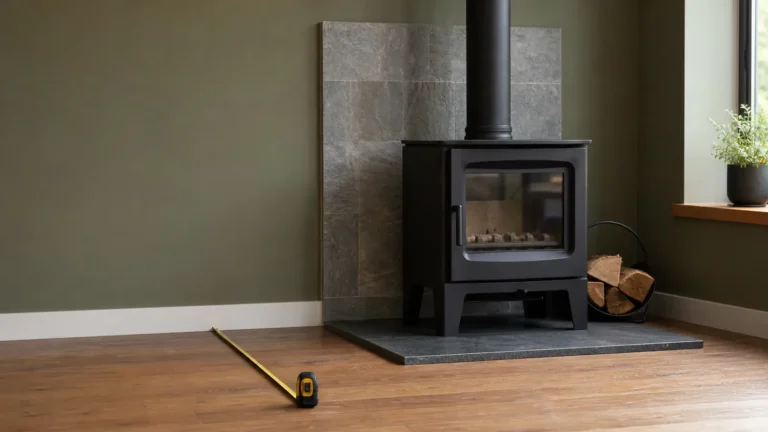 Chimney & InstallWood Stove Clearances to CombustiblesHow wood stove clearances to combustibles work: listed stoves follow the label and manual, unlisted stoves fall back on NFPA 211, and…
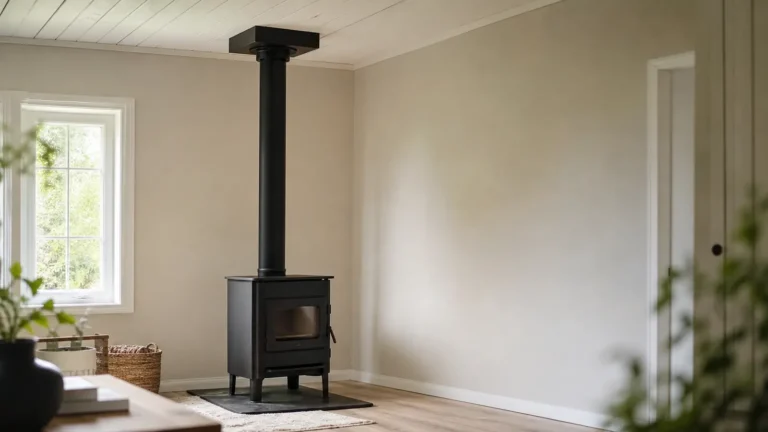 Chimney & InstallStovepipe and Chimney BasicsThe difference between stovepipe (connector), factory-built chimney and liners, how pipe type changes clearances, and what your stove manual specifies.
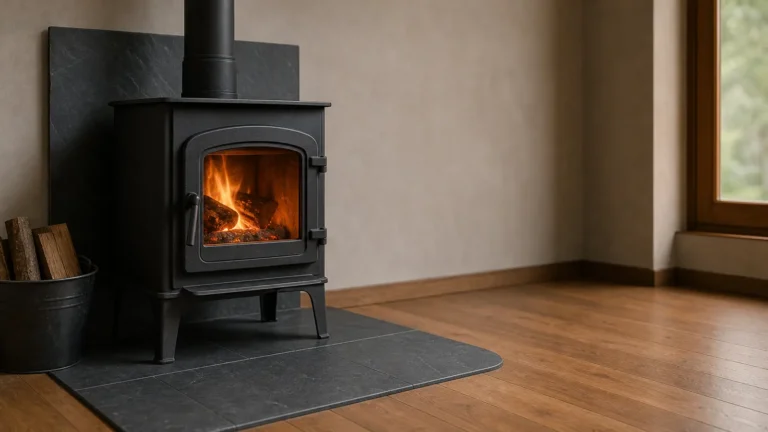 Chimney & InstallWood Stove Hearth Pad RequirementsWhat floor protection a wood stove needs: listed stoves follow the manual, unlisted stoves fall back on NFPA-based rules by leg height,…